
-
×
 Rocket Flying – Iron-on Patch 1 × £ 2.39
10 pcs


12 pcs


39 pcs






16 pcs



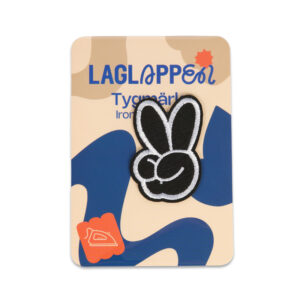


10 pcs


15 pcs


Choosing the Right Iron-On Patch for Your Project
Which patch is best for you depends, above all, on what you want to use it for.If you want to decorate a jacket, cap, or backpack, you can choose completely freely based on design, colour, and size. If, on the other hand, the patch is meant to cover a small hole, a stain, or a worn area, it is a good idea to choose a design that covers the area with a bit of margin.Consider also how the garment or item will be used. A patch on a backpack, a jacket sleeve, or children’s clothing may be subjected to more wear and tear than a patch placed on a calmer surface. In these cases, it might be wise to reinforce the patch with a few stitches, especially if it will be washed frequently or used hard.With us, you will find iron-on patches in many different designs, shapes, and sizes. You can use the search function or browse through themes to find patches that suit your particular style or project.Common Problems That Patches Can Solve
Patches are often used to make something more fun, stylish, or personal. A simple cap can get a completely new look, a backpack can become easier to recognise, and a child's garment can be marked in a way that stands out and feels personal.They can also be highly practical. A patch can cover a small stain, hide a minor hole, or make a worn area look neat again. Many people also use patches to refresh garments that otherwise feel boring but still have plenty of life left in them.Examples of common areas of use:
- jackets and vests
- caps and beanies
- children’s clothing
- backpacks and bags
- jeans and trousers
- tote bags
- simple repairs or reinforcements
- personal decoration and upcycling
Consider Material, Size, and Usage
Most iron-on patches work best on textiles that can withstand heat from an iron. Natural materials like cotton are usually very rewarding to work with, but many patches can also work well on synthetic materials.The crucial thing is that the material can withstand heat and that you follow the ironing guide carefully. Always use greaseproof paper (baking paper) or a pressing cloth between the iron and the patch. Press firmly, avoid steam, and let the patch cool completely before checking the bond.On certain materials, it can be more difficult for the adhesive to bond permanently. This could be due to surface treatment, texture, stretch, dirt, detergent residue, or the material not conducting heat the same way. Therefore, it is always a good idea to check the garment's care label and consider how the surface feels before ironing the patch on.If the patch is going on a garment or item that is used heavily, washed often, or regularly bent and rubbed, we recommend reinforcing it with a few stitches. This applies particularly to things like children’s clothes, bags, backpacks, and other high-movement areas.How to Make Your Patch Hold Better
When an iron-on patch doesn't bond as intended, it is often down to a small detail during application. It could be that the iron wasn’t hot enough, that it wasn't pressed down for long enough, that steam was used, or that the patch wasn't allowed to cool properly before testing the bond.For best results:
- iron on a clean and dry surface
- do not use steam
- use greaseproof paper between the iron and the patch
- press down with firm, even pressure
- follow the timings in the guide
- let the patch cool completely before touching it
- reinforce with stitches for heavy-duty use or frequent washing
- The guide included with your order shows you how to do it step by step.
Washing and Care
Many of our patches are embroidered with thousands of stitches and made for everyday use on clothing and textiles. When washing, we recommend following the garment's own care instructions.To be extra gentle on both the patch and the garment, you can turn the item inside out before washing. We recommend avoiding fabric softener and line drying instead of using a tumble dryer.If the patch is on a garment that is washed very frequently, a few extra stitches around the edge will provide much better durability over time.Material and Craftsmanship
Many of our patches are machine-embroidered and feature a heat-seal adhesive backing tailored for textiles. Most are made of polyester, while certain models may contain cotton or other textile materials.To an untrained eye, many patches might look the same, but there are differences. Some designs are embroidered on felt, others on twill or alternative textile backings. This affects the feel, stiffness, and level of detail.Embroidered patches often have a distinct texture and a more crafted look than printed ones. This makes them particularly nice when you want to decorate, renew, or add more personality to a garment.Repair, Reinforce, and Wear Longer
A patch can make a big difference with quite a small effort. A stain does not have to mean the garment is ruined. A small hole does not mean the jacket, trousers, or bag has to end up at the back of the wardrobe.With the right patch, you can repair, reinforce, or change the look of something you already have. It is often both simpler and smarter than buying new – and a much more fun way to make the garment or item uniquely yours.Frequently Asked Questions About Patches
- How do you apply iron-on patches? Most patches in our range are ironed on using a standard household iron. Place the patch in the correct position, use a protective sheet of paper between the iron and the patch, and follow the ironing guide included with your order.
- Do patches work on all materials? Iron-on patches work best on textiles that tolerate heat, especially natural materials like cotton. They can also work on certain synthetic materials, but it depends on the surface texture, structure, and heat resistance of the fabric. Always check the garment's care label first.
- Do you need to sew patches on as well? Often, ironing the patch on is enough. However, on garments or items that take a beating, are washed frequently, or are subject to a lot of movement, a few stitches will provide much better durability. This is particularly wise for children's clothes, backpacks, and bags.
- Can I use patches to fix holes? Yes, patches can be used to cover smaller holes, stains, or worn areas. We recommend choosing a patch that covers the damage with a bit of margin. For larger damage or heavily exposed surfaces, it is best to reinforce with stitches.
- Are patches machine washable? Yes, many patches can be machine washed once they are properly bonded. Always follow the washing instructions of the garment itself. For the best durability, we recommend turning the garment inside out, avoiding fabric softener, and air drying instead of using a tumble dryer.
- Why does a patch sometimes come off? If an iron-on patch comes loose, it is usually down to the material or the application process. The surface might be too slick, dirty, waterproofed, or sensitive to heat. It can also be caused by insufficient heat, not pressing hard or long enough, using steam, or not letting the patch cool down properly. Follow the guide carefully and reinforce with stitches if needed.